
 English
  中文简体
中文简体 
Engineering Excellence in T/C Woven Fusible Shirt Interlining Fabric: A Comprehensive Technical Guide
2026-02-24
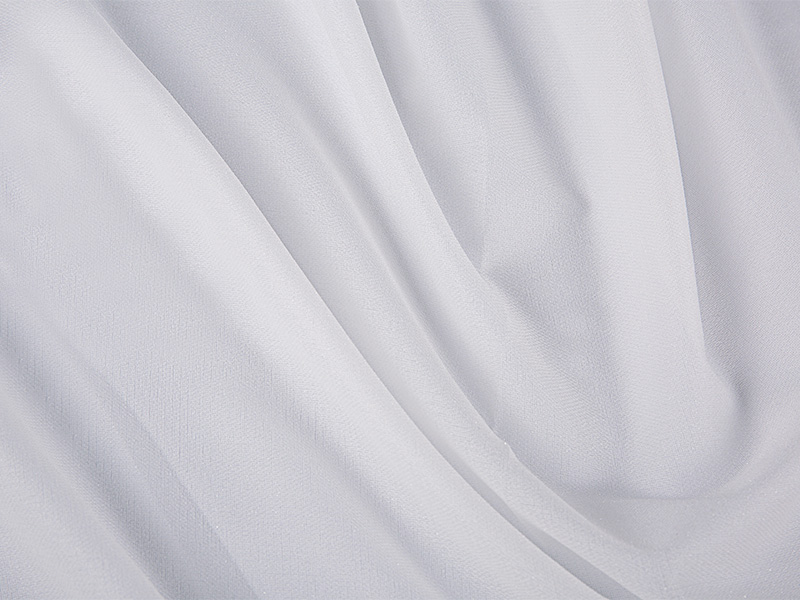
In the high-end garment manufacturing sector, the structural integrity of a shirt is largely dictated by its hidden architecture. The T/C Woven Fusible Shirt Interlining Fabric (Polyester/Cotton blend) represents a sophisticated balance between the durability of synthetic fibers and the breathability of natural cellulose. Engineering a perfect collar or cuff requires a deep understanding of how base fabric weight for shirt interlining influences the final drape and hand-feel of the garment. This article delves into the thermodynamic properties, coating technologies, and mechanical standards required for professional-grade shirt production.
Content
- 1 1. Material Composition and Substrate Engineering
- 2 2. Advanced Coating Technology: HDPE vs. LDPE
- 3 3. Thermodynamic Parameters for Optimal Bonding
- 4 4. Quality Control and Mechanical Testing
- 5 5. Troubleshooting and Best Practices
- 6 Frequently Asked Questions (FAQ)
- 6.1 1. Why is T/C Woven Fusible Shirt Interlining Fabric preferred over non-woven types for collars?
- 6.2 2. What is the ideal fusible interlining bonding temperature for HDPE coatings?
- 6.3 3. How does the base fabric weight for shirt interlining affect the final product?
- 6.4 4. Does HDPE coated shirt interlining withstand industrial laundry?
- 6.5 5. What is the primary cause of washing shrinkage of T/C fusible interlining?
- 7 Industry References
1. Material Composition and Substrate Engineering
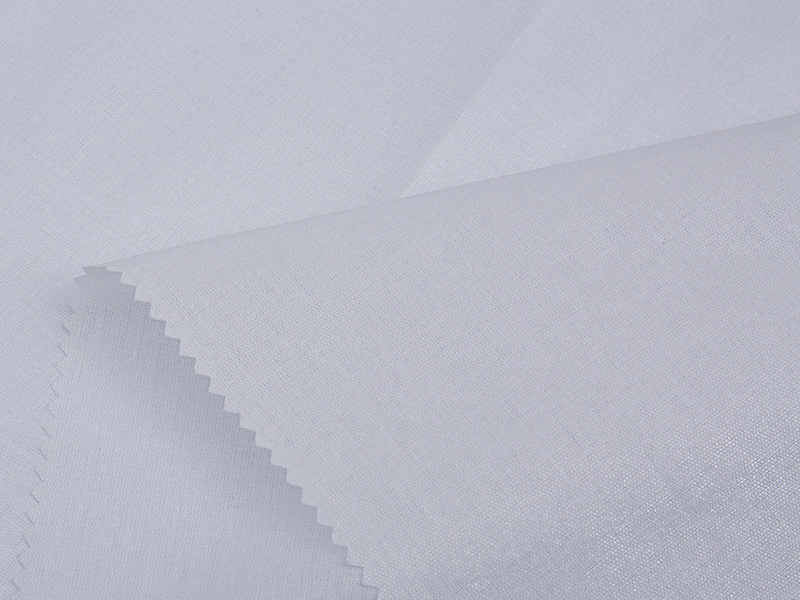
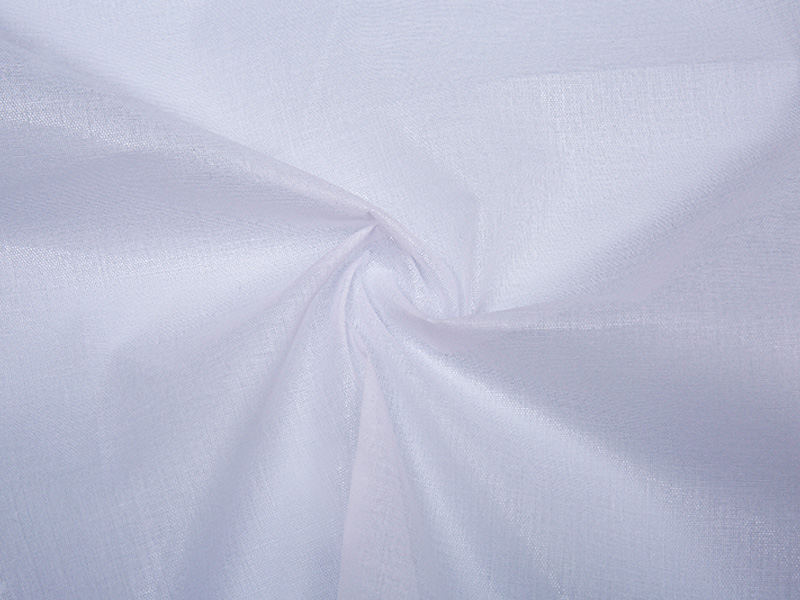
The substrate of a T/C Woven Fusible Shirt Interlining Fabric is typically constructed using a plain or twill weave of polyester and cotton yarns. The polyester provides high tensile strength and dimensional stability, while the cotton allows for better moisture absorption and a softer interface with the skin. When evaluating T/C vs 100% cotton fusible interlining, engineers prioritize T/C blends for industrial-wash garments because they exhibit significantly lower shrinkage rates and higher resistance to mechanical stress during high-temperature laundering cycles.
| Property | 100% Cotton Interlining | T/C Woven Fusible Shirt Interlining Fabric |
| Tensile Strength | Moderate | High (Due to Polyester core) |
| Shrinkage Control | Lower (3-5%) | Superior (<1.5%) |
| Resilience | Low (Prone to wrinkling) | High (Retains shape after washing) |
2. Advanced Coating Technology: HDPE vs. LDPE
The "fusible" aspect of the interlining is achieved through a localized coating of thermoplastic adhesives. For professional shirting, HDHDPE-coatedhirt interlining is the industry standard. High-Density Polyethylene (HDPE) is preferred over Low-Density Polyethylene (LDPE) because it offers superior resistance to dry cleaning and enzyme washing. The adhesive is usually applied via double-dot or powder-dot technology to ensure a breathable yet firm bond that prevents "bubbling" or delamination after multiple wear-and-wash cycles. Achieving the correct fusible interlining bonding temperature is critical to ensure the polymer reaches its molten state without damaging the delicate fibers of the outer shirt fabric.
| Adhesive Type | LDPE (Low Density) | HDPE (High Density) |
| Melting Point | Approx. 105°C - 115°C | Approx. 125°C - 135°C |
| Wash Resistance | 40°C - 60°C | 95°C (Boil-proof) |
| Dry Cleaning Resistance | Poor | Excellent |
3. Thermodynamic Parameters for Optimal Bonding
Successful fusing is a function of three variables: temperature, pressure, and time. For a high-density T/C Woven Fusible Shirt Interlining Fabric, the interlining must be fused using a continuous flat-bed or rotary fusing machine. If the fusible interlining bonding temperature is too low, the bond will be superficial and prone to peeling. Conversely, excessive heat can cause " strike-back," where the adhesive penetrates through the interlining to the inside of the garment, or " trike-through," where it reaches the face fabric. Determining tow to prevent bubbling in shirt collars involves precisely calibrating the pressure (typically 2-4 bar) to ensure total contact between the adhesive dots and the fabric interstices.
3.1 Critical Fusing Standards
- Dwell Time: Usually 12 to 20 seconds, depending on the base fabric weight for shirt interlining.
- Glue Line Temperature: The actual temperature reached by the adhesive, which must be monitored using thermo-papers.
- Cooling Zone: Immediate cooling after fusing is required to set the polymer crystalline structure.
4. Quality Control and Mechanical Testing
In an industrial laboratory, T/C Woven Fusible Shirt Interlining Fabric undergoes rigorous testing to meet global apparel standards. The peel strength test for shirt interlining measures the force required to separate the interlining from the shell fabric after fusing. A value of at least 10-15N/2.5cm is generally required for high-quality dress shirts. Furthermore, washing shrinkage of T/C fusible interlining must be synchronized with the outer fabric to prevent the "orange peel" effect. If the interlining shrinks more than the outer fabric, the collar will pucker; if it shrinks less, the collar will lose its sharpness.
| Test Method | Technical Target | Impact on Shirt Quality |
| Peel Strength (Post-Wash) | > 10 N / 2.5cm | Prevents delamination/bubbling |
| Shrinkage (95°C Wash) | < 1.0% | Ensures collar flatness |
| Formaldehyde Content | < 75 ppm (Oeko-Tex) | Skin safety and compliance |
5. Troubleshooting and Best Practices
Shirt manufacturers often face challenges during the assembly of formal wear. Understanding how to prevent bubbling in shirt collars is the most frequent technical hurdle. Bubbling is often caused by incompatible shrinkage or improper cooling. Additionally, choosing the correct interlining for light vs heavy shirt fabrics is essential; a heavy interlining on a fine poplin fabric will cause a ""ardboard""feel, whereas a light interlining on a heavy oxford fabric will fail to provide the necessary support for the collar stand.
5.1 Selection Criteria for Engineers
- Match the base fabric weight for shirt interlining to the weight of the shell fabric (e.g., 80gsm interlining for 100-120gsm fabric).
- Ensure the HDPHDPE-coatedirt interlining is compatible with the shirt's finish (e.g., non-iron or easy-care finishes require higher adhesive concentrations).
- Conduct a trial fusing test for every new fabric batch to verify fusible interlining bonding temperature compatibility.
Frequently Asked Questions (FAQ)
1. Why is T/C Woven Fusible Shirt Interlining Fabric preferred over non-woven types for collars?
Woven interlinings provide superior dimensional stability and recovery. Unlike non-woven materials, woven T/C interlinings follow the grain line of the shirt, ensuring that the collar maintains its shape and sharp edges even after frequent laundering and ironing.
2. What is the ideal fusible interlining bonding temperature for HDPE coatings?
The standard glue line temperature for HDPE is between 125°C and 145°C. However, the machine temperature may need to be set higher (155°C - 165°C) to compensate for the heat loss as it penetrates through the fabric layers.
3. How does the base fabric weight for shirt interlining affect the final product?
Weight determines stiffness. A lightweight interlining (approx. 50-70 gsm) is used for summer shirts or soft casual collars, while a heavier weight (100-130 gsm) is required for formal dress shirts to achieve a rigid, crisp appearance.
4. Does HDPE coated shirt interlining withstand industrial laundry?
Yes, HDPE is specifically engineered for high-temperature washes and is resistant to the chemicals used in industrial laundering and dry cleaning, making it the most durable choice for executive-level shirting.
5. What is the primary cause of washing shrinkage of T/C fusible interlining?
Shrinkage is usually caused by the relaxation of the polyester/cotton fibers after being subjected to the heat and moisture of washing. High-quality T/C interlinings are pre-shrunk during the finishing process to ensure residual shrinkage is kept below 1%.
Industry References
- ASTM D123: Standard Terminology Relating to Textiles.
- ISO 6330: Textiles — Domestic washing and drying procedures for textile testing.
- AATCC Test Method 135: Dimensional Changes of Fabrics after Home Laundering.
- Oeko-Tex Standard 100: Testing for harmful substances in textile products.

Founded in 2002 and based in Jiangsu Province, China, Hetai Textile has grown over two decades into a full-spectrum enterprise specializing in the development, production, sales, and service of interlining fabrics.
Contact Us for More Details
Don't hesitate to contact when you need us!
Contact Information
No.10, Xilin Middle Road, Haian City, Nantong City, Jiangsu Province, China
+86-182-5250-2813
+86-182-5250-2813
QR Code
Join our community and stay connected
Copyright ©
Nantong Hetai Textile Technology Co., Ltd.
Rights Reserved.
China Custom High Elasticity Interlining Manufacturers

