
 English
  中文简体
中文简体 
PES/PA Woven Fusible Interlining: Essential Garment Structure Solutions
2026-04-22
Content
- 1 Conclusion: The Structural Foundation of Quality Garments
- 2 Material Composition and Construction
- 3 PES vs PA Coating Performance Characteristics
- 4 Fusing Parameters and Process Control
- 5 Garment Applications and Positioning
- 6 Quality Standards and Certification
- 7 Selection Guidelines for Optimal Results
Conclusion: The Structural Foundation of Quality Garments
PES/PA woven fusible interlining is the critical component that transforms ordinary fabric into garments with defined structure, shape retention, and professional finish. By bonding a woven polyester base fabric with thermoplastic adhesive coatings of either polyester (PES) or polyamide (PA), this interlining technology enables manufacturers to reinforce collars, cuffs, waistbands, and front facings without visible stitching. When applied at the correct fusing temperature of 130-145°C with 2-3 bar pressure for 12-15 seconds, PES/PA woven fusible interlining achieves peel strength exceeding 10N, ensuring bonded components remain secure through repeated washing and dry cleaning cycles. For garment manufacturers, selecting the appropriate PES or PA coating directly determines wash resistance, hand feel, and compatibility with the outer fabric.
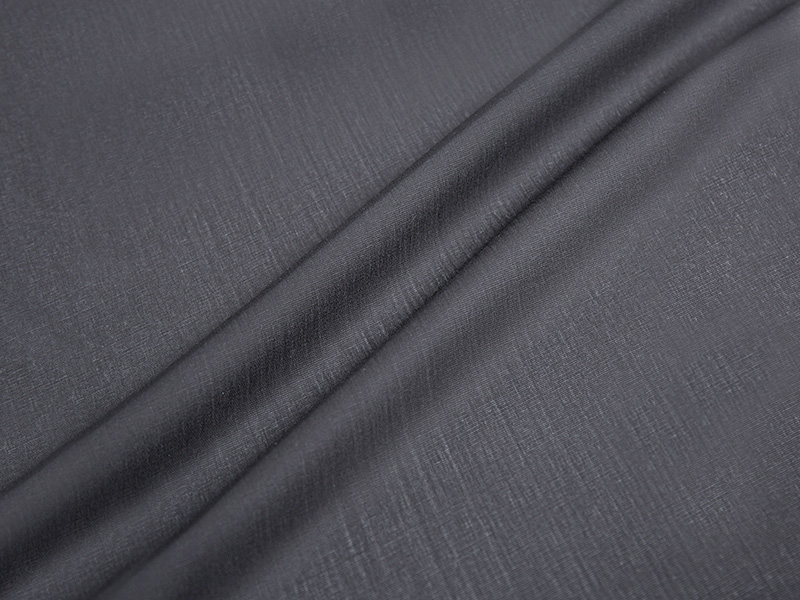
Material Composition and Construction
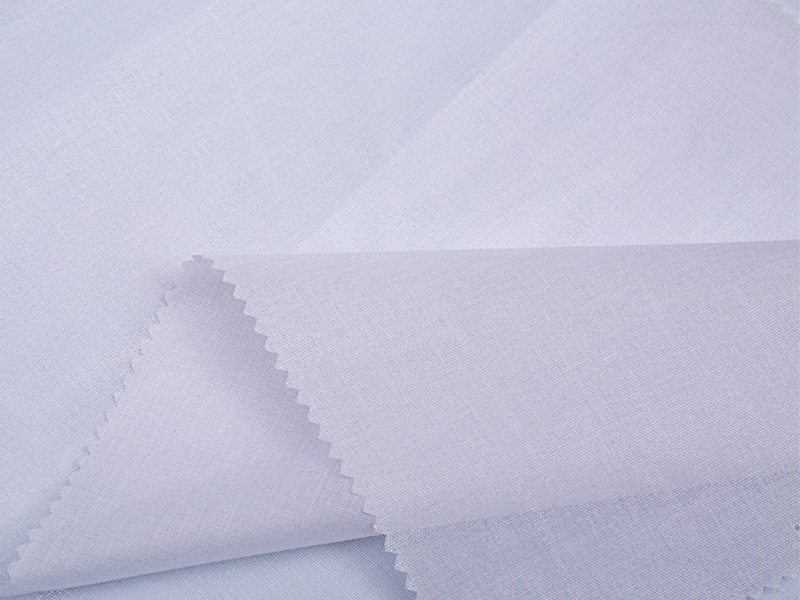
PES/PA woven fusible interlining consists of two primary components: a woven base fabric and a thermoplastic adhesive coating. The base fabric is typically manufactured from 100% polyester filament yarns ranging from 30D to 120D, constructed using water jet weaving or warp knitting techniques to create stable, dimensionally consistent substrates. Base fabric weights range from 12 gsm to 140 gsm, with total finished weights including coating reaching 18 gsm to 155 gsm.
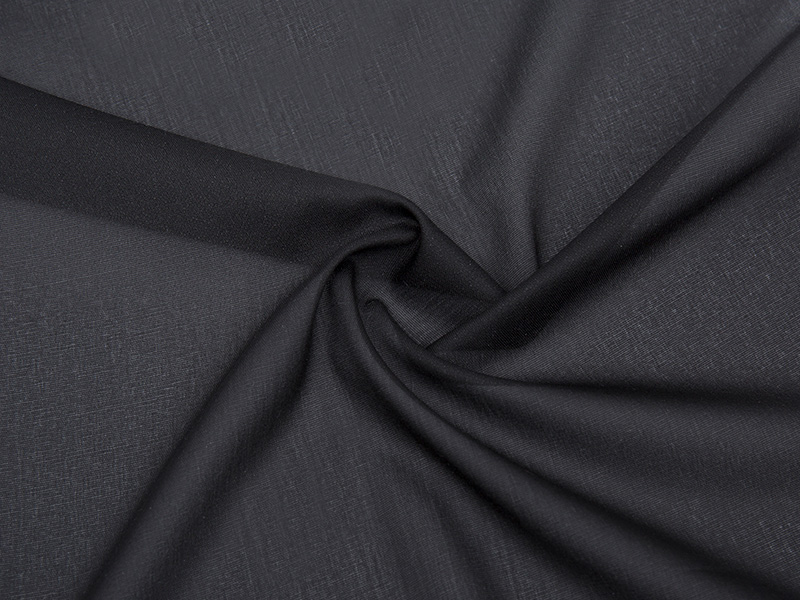
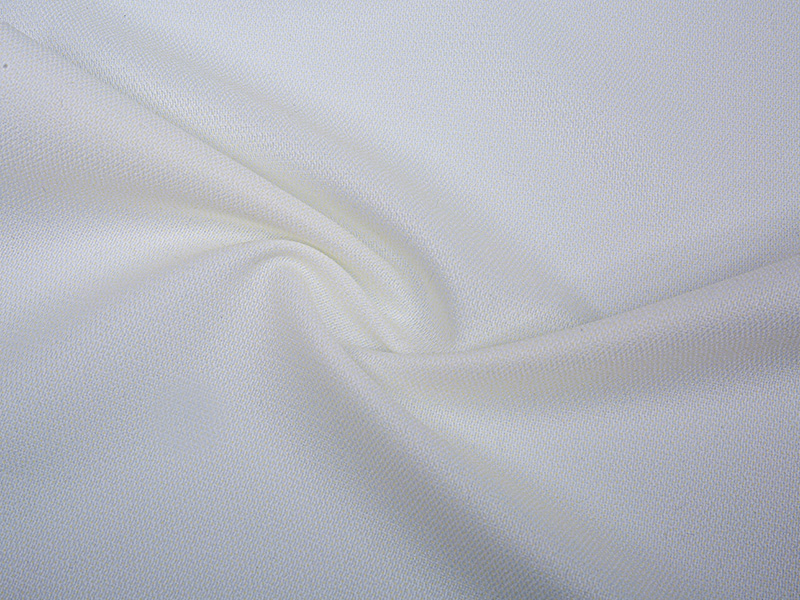
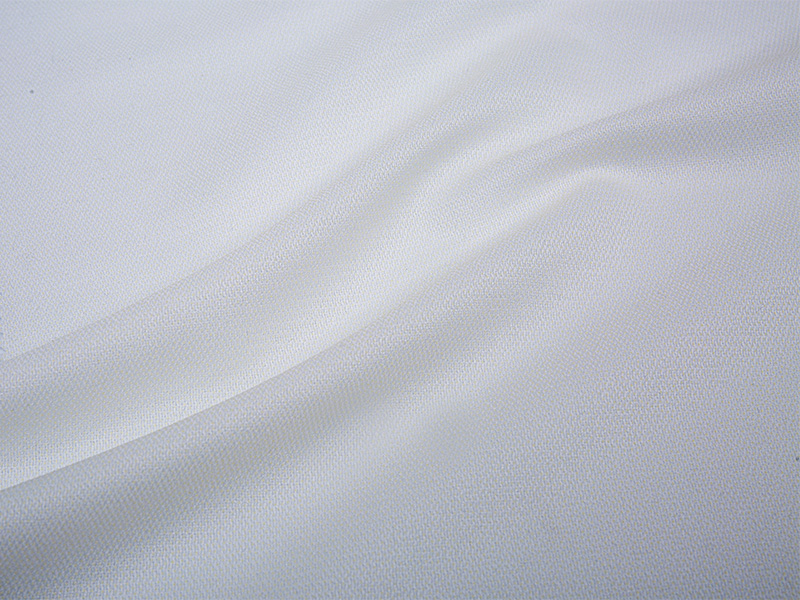
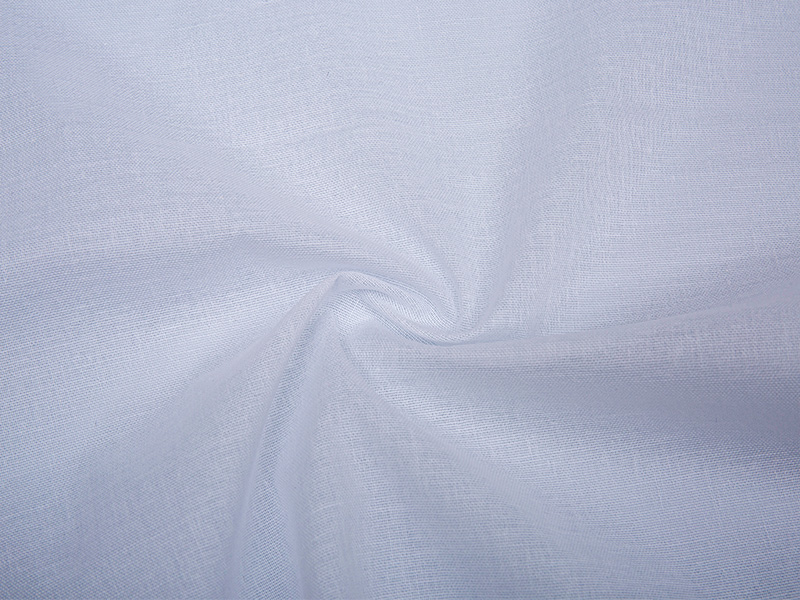
The adhesive layer is applied through powder dot or double dot coating processes. Double dot coating technology provides superior bonding performance by creating a two-layer adhesive structure with strong peel strength and enhanced wash durability. Coating materials include PES (polyester), PA (polyamide), or PA+PES mixed formulations, each offering distinct performance characteristics for different garment applications. Standard widths are 112 cm and 150 cm, with colors available in snow white, off-white, black, gray, and custom shades to match outer fabrics.
Base Fabric Variants
- Water Jet Woven: High-density construction using 75D/100D polyester for superior dimensional stability and crisp hand feel
- Warp Knitted Tricot: 40D x 120D polyester filament construction providing elasticity in weft direction and flat drapability in warp direction
- Plain Woven: Traditional weave structure suitable for shirt collars and structured garment components
- Twill Woven: Diagonal rib pattern offering enhanced strength and flexibility for load-bearing areas
PES vs PA Coating Performance Characteristics
The choice between PES and PA adhesive coatings represents a fundamental decision in interlining specification that directly impacts garment performance, care requirements, and cost. Each coating chemistry offers distinct advantages that must align with the intended garment application and fabric compatibility.
| Property | PES Coating | PA Coating |
|---|---|---|
| Fusing Temperature | 120-140°C | 130-150°C |
| Peel Strength | 10N | 14N |
| Wash Resistance | Good (40-95°C) | Moderate (below 60°C) |
| Dry Cleaning Resistance | Moderate | Excellent |
| Hand Feel | Soft and comfortable | Elastic with excellent drapability |
| Cost Position | Lower cost | Higher cost |
| Best Application | Casual wear, polyester fabrics, outerwear | Formal wear, dry-cleaned garments, high-end tailoring |
PES Coating Advantages
PES coatings operate at lower fusing temperatures ranging from 110-140°C, making them suitable for heat-sensitive fabrics and reducing energy consumption during production. The chemistry provides good wash resistance across temperature ranges from 40°C to 95°C, offering versatility for garments requiring frequent laundering. PES-coated interlining is particularly effective when bonded to polyester outer fabrics, where the similar chemical structure promotes optimal adhesion. The moderate bonding strength and soft hand feel make PES interlining ideal for women's clothing, casual wear, and mass production applications where cost efficiency is paramount.
PA Coating Advantages
PA coatings deliver superior bonding strength with peel strength reaching 14N compared to 10N for PES alternatives. The higher activation temperature of 130-150°C provides resistance to accidental adhesive reactivation during steam pressing or finishing operations. PA interlining demonstrates exceptional dry cleaning solvent resistance, making it essential for formal wear, suits, and professional garments requiring commercial cleaning services. The elastic characteristics and excellent drapability of PA coatings contribute to natural fabric movement while maintaining structural integrity. Low-melt polyamide variants are available for bonding delicate fabrics such as silk and fur at temperatures as low as 95-120°C.
Fusing Parameters and Process Control
Successful interlining application depends on precise control of three critical parameters: temperature, pressure, and dwell time. Incorrect settings result in delamination, bubbling, strike-through, or insufficient bonding that compromises garment quality and durability.
Standard Fusing Conditions
- Temperature: 130-145°C for PES/PA coatings, with HDPE coatings requiring 160-175°C
- Pressure: 2-3 bar or 1.5-3.5 kg/cm² depending on coating type and fabric weight
- Time: 10-15 seconds for standard applications, extending to 15-20 seconds for heavy fabrics
Temperature must be sufficient to fully activate the adhesive without damaging the outer fabric. Pressure ensures intimate contact between interlining and fabric for uniform bonding. Dwell time allows complete adhesive flow and penetration into the fabric structure. Manufacturers should always conduct preliminary trial fusing on fabric scraps before full-scale production to verify compatibility and optimize parameters for specific material combinations.
Common Fusing Defects and Prevention
Insufficient temperature or pressure produces weak bonding that fails during wear or washing. Excessive heat causes adhesive strike-through, creating visible spots on the fabric surface and stiffening the hand feel. Uneven pressure distribution results in bubbling or wrinkling at bonded areas. Proper equipment calibration, regular maintenance of fusing machines, and adherence to manufacturer specifications eliminate these quality issues.
Garment Applications and Positioning
PES/PA woven fusible interlining serves as the structural skeleton across virtually all garment categories, from lightweight blouses to heavy outerwear. The global interlining market exceeds USD 3 billion annually, with woven fusible types representing a significant segment driven by demand for tailored garments and structured casual wear.
Shirt and Blouse Construction
In shirt manufacturing, woven fusible interlining reinforces collar bands, collar leaves, cuffs, and front plackets. Medium-weight interlining at 90-110 gsm with PA coating provides the crisp, structured appearance required for formal dress shirts while maintaining comfort. The fused components resist wrinkling during wear and retain their shape through repeated washing at temperatures up to 60°C. For casual shirts, lighter PES-coated interlining at 60-80 gsm offers softer structure with reduced stiffness.
Suit and Jacket Tailoring
Suit jackets, blazers, and coats rely on medium to heavy-weight woven fusible interlining at 110-160 gsm for front panels, lapels, collars, and pocket flaps. PA-coated interlining is preferred for high-end tailoring due to superior shape retention and dry cleaning resistance. The interlining prevents fabric stretching in stress areas while enabling the garment to maintain its designed silhouette over years of wear. Canvas-fronted suits may combine sewn hair canvas with fusible interlining in specific areas for traditional construction methods.
Outerwear and Casual Garments
Jackets, denim garments, and casual outerwear employ PES-coated woven interlining for waistbands, pocket openings, and front closures. The moderate wash resistance of PES coatings aligns with the care requirements of casual garments that undergo frequent home laundering. Heavy-weight interlining at 130-160 gsm provides the structure needed for coat fronts and hood openings while maintaining compatibility with synthetic and natural fiber blends.
Specialized Applications
Beyond traditional apparel, PES/PA woven fusible interlining reinforces caps, bags, belts, and home textiles requiring dimensional stability. Elastic waistband interlining provides stretch recovery in trousers and skirts. Perforated interlining variants allow breathability in summer garments while maintaining support. Bi-stretch woven interlining accommodates the movement requirements of activewear and knit fabric applications.
Quality Standards and Certification
Modern garment manufacturing demands interlining products that meet stringent quality and environmental standards. Leading manufacturers hold OEKO-TEX Standard 100 certification, confirming the absence of harmful substances in interlining materials. REACH and ROHS compliance ensures chemical safety for European market access. Bond strength testing according to standardized protocols verifies that interlining achieves minimum peel strength requirements of 10N for PES coatings and 14N for PA coatings.
Performance Testing Protocols
- Peel Strength Testing: Measures the force required to separate bonded fabric and interlining layers
- Wash Durability: Evaluates bond integrity after repeated washing cycles at specified temperatures
- Dry Cleaning Resistance: Tests performance after exposure to standard dry cleaning solvents
- Dimensional Stability: Assesses shrinkage and distortion after fusing and laundering
- Hand Feel Assessment: Subjective and objective evaluation of fabric stiffness and comfort
Pre-shrunk interlining is essential for preventing distortion after fusing or laundering. High-quality manufacturers apply resin finishing and heat setting to base fabrics before coating, ensuring dimensional stability that matches or exceeds outer fabric performance. Color fastness testing prevents dye migration from interlining to outer fabric during fusing or wet processing.
Selection Guidelines for Optimal Results
Specifying the correct PES/PA woven fusible interlining requires systematic evaluation of garment requirements, fabric characteristics, and end-use conditions. Improper selection leads to delamination, bubbling, excessive stiffness, or premature failure during the garment lifecycle.
Selection Criteria Framework
- Match interlining weight to outer fabric weight: light fabrics require 60-80 gsm, medium fabrics 90-110 gsm, heavy fabrics 130-160 gsm
- Select PES coating for wash-resistant casual wear and PA coating for dry-cleaned formal garments
- Verify fusing temperature compatibility with outer fabric heat tolerance
- Consider hand feel requirements: soft, medium, or stiff based on garment style
- Choose color matching: white for light fabrics, black for dark fabrics, or custom dyed options
- Confirm width requirements: 112 cm for narrow applications, 150 cm for full-width cutting
- Specify coating type: powder dot for general use, double dot for premium bonding performance
For heat-sensitive fabrics such as silk, wool, or synthetic blends with low melting points, low-temperature PES or low-melt PA variants enable secure bonding at 95-120°C without fabric damage. Always request technical data sheets and sample rolls from suppliers for pre-production testing. Leading manufacturers offer production volumes exceeding 400,000 meters per week with consistent batch quality and traceability.

Founded in 2002 and based in Jiangsu Province, China, Hetai Textile has grown over two decades into a full-spectrum enterprise specializing in the development, production, sales, and service of interlining fabrics.
Contact Us for More Details
Don't hesitate to contact when you need us!
Contact Information
No.10, Xilin Middle Road, Haian City, Nantong City, Jiangsu Province, China
+86-182-5250-2813
+86-182-5250-2813
QR Code
Join our community and stay connected
Copyright ©
Nantong Hetai Textile Technology Co., Ltd.
Rights Reserved.
China Custom High Elasticity Interlining Manufacturers

