
 English
  中文简体
中文简体 
Shirts Interlinings: Fabric Selection & Fusing Techniques Guide
2026-04-15
Content
Structural Role and Performance Requirements
Shirts interlinings provide dimensional stability, shape retention, and enhanced hand feel to critical shirt components including collars, cuffs, plackets, and front facings. Properly selected interlinings maintain collar stand height through 50+ industrial wash cycles while contributing 15-25% of the total fabric cost in premium dress shirts. The interlining must bond permanently to the face fabric without strike-through or delamination, withstand ironing temperatures to 200 degrees Celsius, and maintain flexibility preventing cardboard-like stiffness that compromises wearer comfort. Quality interlining selection distinguishes mass-market shirts from bespoke tailoring, with luxury brands specifying custom-developed interlinings unavailable to general manufacturers.
The global shirts interlinings market, valued at approximately $2.4 billion, reflects sophisticated segmentation between woven cotton base materials for high-end tailored shirts and non-woven synthetic alternatives for casual and performance wear. Modern interlining engineering balances traditional textile aesthetics with technical performance requirements including moisture management, stretch compatibility, and thermoplastic adhesive systems enabling automated production.
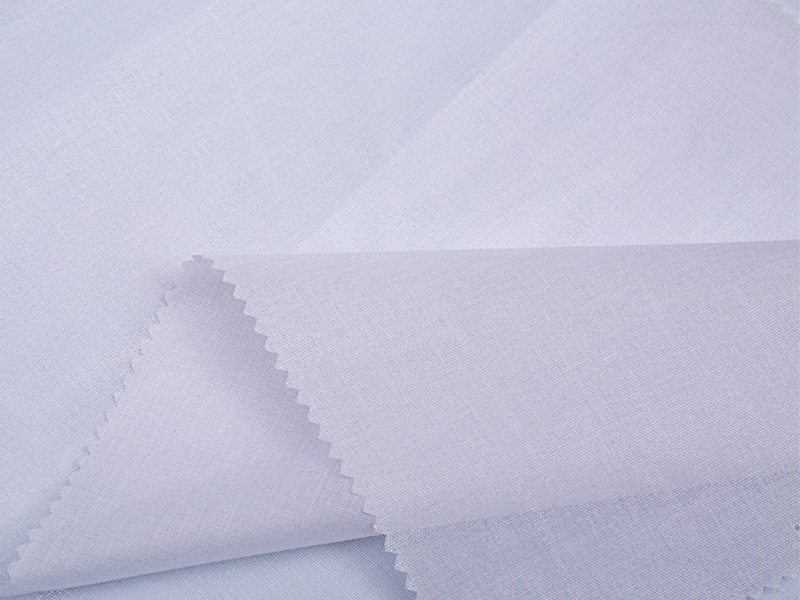
Woven Interlinings and Natural Fiber Construction
Woven interlinings represent the traditional standard for premium shirt construction, offering superior drape and breathability through textile architecture rather than chemical bonding.
Cotton and Cotton-Blend Base Fabrics
High-quality woven interlinings utilize 100% cotton yarns of 20-40 Ne count in plain or twill weaves with thread densities of 60-100 threads per square centimeter. The natural fiber content ensures compatibility with cotton face fabrics in thermal expansion and moisture absorption, preventing puckering after washing. For enhanced resilience, cotton-polyester blends (65/35 or 80/20 ratios) incorporate 20-30 denier polyester filament for wrinkle recovery while maintaining cotton surface characteristics.
Woven interlinings receive starch-based or synthetic resin finishes to achieve stiffness ratings of 80-150 milligrams (Shirley stiffness tester) appropriate for collar and cuff applications. Unfinished woven interlinings (hair canvas) appear in bespoke tailoring, with stiffness built through hand-sewn pad stitching rather than chemical treatment.
Hair Canvas and Traditional Tailoring Materials
Luxury dress shirts and formalwear utilize interlinings incorporating wool or goat hair (10-30% content) woven with cotton warp and weft. The animal fibers provide resilience and shape memory through moisture absorption changes, enabling collars to recover from crushing during wear. Hair canvas interlinings require hand-finishing techniques, with skilled artisans pad-stitching the interlining to the shell fabric using 12-15 stitches per inch for controlled flexibility.
| Application | Fiber Content | Weight | Stiffness Rating | Target Market |
|---|---|---|---|---|
| Collar band | 100% cotton | 120-140 gsm | 120-150 mg | Premium dress shirts |
| Collar leaf | Cotton/polyester 80/20 | 100-120 gsm | 100-130 mg | Business casual |
| Cuffs | 100% cotton | 140-160 gsm | 130-160 mg | Formal shirts |
| Front placket | Cotton with hair | 150-180 gsm | Variable | Bespoke tailoring |
Non-Woven Interlinings and Technical Advantages
Non-woven interlinings dominate mass shirt production through cost efficiency, consistent quality, and compatibility with automated fusing equipment.
Spunbond and Thermal Bond Construction
Spunbond non-wovens for shirt interlinings utilize 100% polyester or polyester-viscose blends (70/30 to 50/50) with fiber deniers of 1.5-3.0 and basis weights of 60-120 grams per square meter. Thermal bonding (calendering at 120-160 degrees Celsius) creates point bonds comprising 15-25% of surface area, leaving the majority of fibers free for adhesive penetration during fusing. This construction achieves isotropic strength properties eliminating the grain direction constraints of woven materials, enabling pattern nesting efficiency improvements of 8-12%.
Chemical bond non-wovens (latex-saturated) offer enhanced stiffness for collar applications but sacrifice breathability, with air permeability reduced to 20-40 liters per square meter per second compared to 100-200 for thermal bond alternatives. These appear primarily in disposable or promotional shirt categories where longevity is not a primary concern.
Needlepunch and Hydroentangled Durability
Mechanically bonded non-wovens for heavy-duty shirt applications (workwear, uniforms) utilize needlepunch or spunlace (hydroentangled) construction. Needlepunch interlinings achieve densities of 0.15-0.25 grams per cubic centimeter through barbed needle fiber entanglement, creating dimensional stability for industrial laundering at 85 degrees Celsius. Hydroentangled variants offer superior surface smoothness for lightweight shirt fabrics, with water jet pressures of 50-150 bar creating fabric handle approaching woven qualities.
Fusible Interlining Technology and Adhesive Systems
Fusible interlinings, comprising base fabric with thermoplastic adhesive coating, enable rapid production through heat-activated bonding rather than sewing.
Polyamide and Polyester Hot-Melt Coatings
Shirt interlinings predominantly utilize polyamide (PA) copolyamide adhesives with melting points of 115-130 degrees Celsius for cotton and cotton-blend face fabrics. The polyamide chemistry provides excellent adhesion to natural fibers with dry cleaning resistance to perchloroethylene. For polyester and polyester-blend shirts, polyester (PET) adhesives with higher melting points (130-150 degrees Celsius) prevent adhesive migration during garment pressing.
Adhesive application methods include scatter coating (powder dot), paste dot (screen printing), and double-dot (pre-bonded dots on base fabric). Double-dot coating at 12-20 grams per square meter provides the optimal balance of bond strength and hand feel, with the pre-bonded base dots preventing strike-through on lightweight shirt fabrics.
Fusing Parameters and Quality Control
Successful fusing requires precise control of temperature, pressure, and dwell time. Standard cotton shirt interlining fuses at 140-160 degrees Celsius with pressure of 3-5 bar for 12-15 seconds. Insufficient temperature produces weak bonds prone to bubbling after washing, while excessive heat causes adhesive penetration to the face fabric surface (strike-through) creating visible gloss or stiffness. Fusing machine calibration using Teflon-coated test squares verifies temperature uniformity across the heating platen within plus or minus 2 degrees Celsius.
Peel strength testing confirms bond quality, with minimum requirements of 12 Newtons per 5 centimeters width for shirt applications. Wash testing (50 cycles at 60 degrees Celsius) and dry cleaning testing (10 cycles) validate durability claims for care label instructions.
Specialized Interlining Functions and Innovations
Modern shirt interlinings extend beyond simple stiffening to address performance requirements including stretch, moisture management, and sustainability.
Stretch and Recovery Compatibility
Performance dress shirts incorporating elastane (2-5% content) require interlinings with unidirectional or bidirectional stretch capabilities of 10-20% to maintain comfort without restricting fabric elasticity. Weft-insertion non-wovens or knitted interlinings provide the necessary give while maintaining collar structure. The stretch interlining market grows at 8% annually, driven by comfort-oriented business casual trends.
Sustainable and Recycled Content Developments
Environmental pressures drive interlining innovations including 100% recycled polyester non-wovens certified to Global Recycled Standard (GRS), organic cotton woven bases, and bio-based adhesives derived from plant polymers. Water-based adhesive coating systems reduce volatile organic compound emissions by 60% compared to solvent-based alternatives. These sustainable options achieve performance parity with conventional interlinings while supporting brand sustainability commitments.
The selection of shirts interlinings represents a critical technical decision influencing garment aesthetics, durability, and manufacturing efficiency. From traditional hair canvas to advanced fusible systems, interlining technology continues evolving to meet demands for performance, sustainability, and production automation in the global shirt industry.

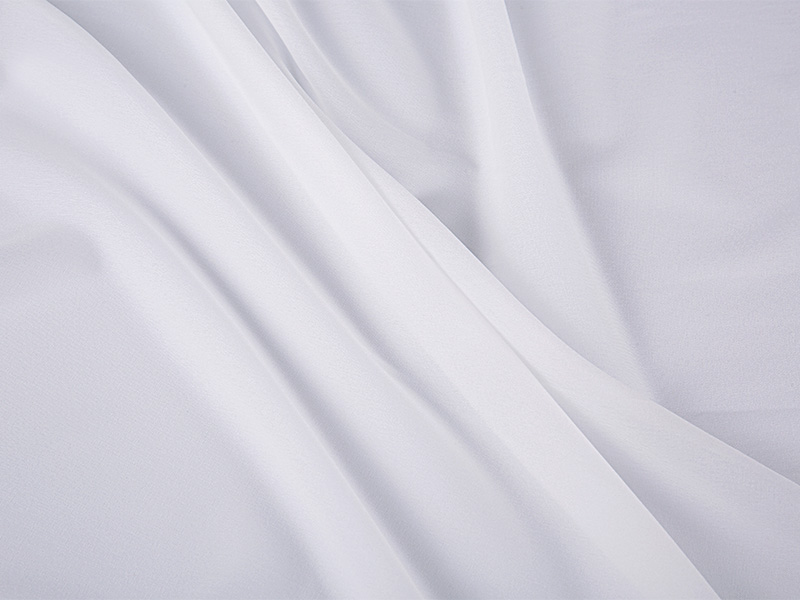
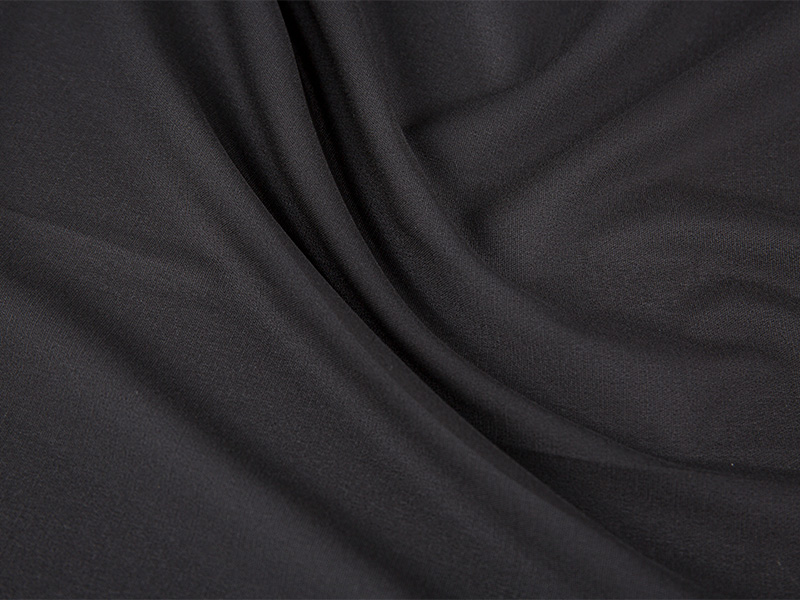
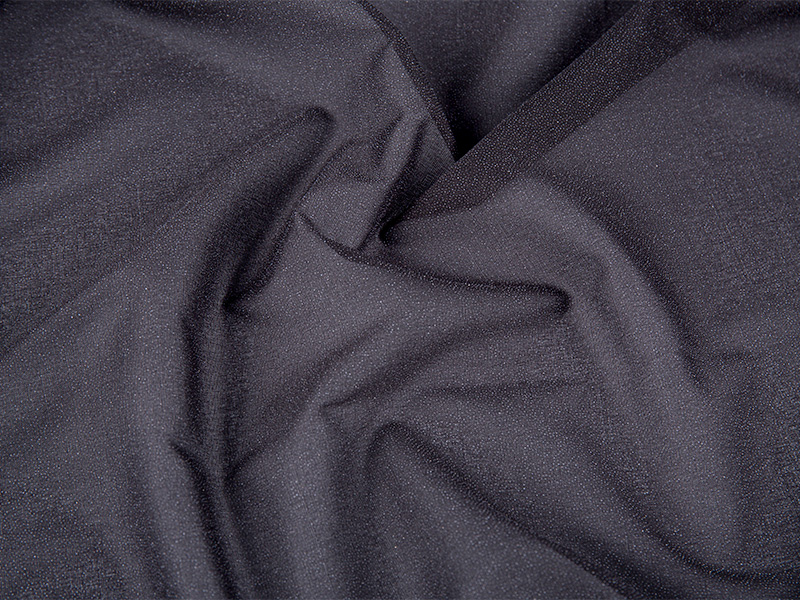
Founded in 2002 and based in Jiangsu Province, China, Hetai Textile has grown over two decades into a full-spectrum enterprise specializing in the development, production, sales, and service of interlining fabrics.
Contact Us for More Details
Don't hesitate to contact when you need us!
Contact Information
No.10, Xilin Middle Road, Haian City, Nantong City, Jiangsu Province, China
+86-182-5250-2813
+86-182-5250-2813
QR Code
Join our community and stay connected
Copyright ©
Nantong Hetai Textile Technology Co., Ltd.
Rights Reserved.
China Custom High Elasticity Interlining Manufacturers

