
 English
  中文简体
中文简体 
The Ultimate Guide to Pocketing Fabric: Types, Applications, and Selection
2026-01-02
In the intricate world of garment construction, certain components work behind the scenes to define a garment's silhouette, durability, and comfort. Pocketing fabric is one such critical yet often overlooked material. As a specialized textile, it serves as the foundational layer for pockets in everything from durable workwear to elegant suits. Its primary role is to provide structure, prevent stretching, and ensure the pocket maintains its shape and functionality over time. Choosing the right pocketing material is paramount for manufacturers aiming to produce high-quality apparel. This guide delves deep into the nuances of pocketing fabrics, offering detailed insights to inform your sourcing and production decisions.
Content
- 1 What is Pocketing Fabric? Core Functions and Characteristics
- 2 5 Essential Types of Pocketing Fabric for Different Applications
- 3 Comparing Pocketing Fabrics: A Detailed Analysis
- 4 How to Choose the Right Pocketing Fabric: A Buyer's Checklist
- 5 Innovations and Trends in Pocketing Fabric Technology
- 6 FAQs About Pocketing Fabric
- 6.1 1. What is the most durable type of pocketing fabric?
- 6.2 2. Can I use the same pocketing fabric for all my garments?
- 6.3 3. Why does my pocket bag twist or distort after washing?
- 6.4 4. Is cotton or polyester pocketing better?
- 6.5 5. How does Hetai Textile ensure the quality of its pocketing fabrics?
- 7
- 8 References
What is Pocketing Fabric? Core Functions and Characteristics
Pocketing fabric is a specialized type of interlining or lining fabric designed specifically for constructing pocket bags. Unlike visible linings, it is hidden within the garment, performing several essential functions.
- Dimensional Stability: Prevents the pocket bag from stretching or distorting when items are placed inside.
- Durability: Withstands repeated friction and weight from hands and stored objects.
- Comfort: Often features a soft hand feel against the skin, especially in pants or jacket pockets.
- Moisture Management: Some varieties are designed to wick moisture away from the body.
The effectiveness of a pocketing fabric hinges on its weight, weave, fiber content, and finish. These characteristics determine its suitability for different garment types, from lightweight shirts to heavy-duty outerwear.
5 Essential Types of Pocketing Fabric for Different Applications
Understanding the different types of pocketing fabrics is key to selecting the right one for your product line. Each type offers a unique balance of strength, weight, and texture.
1. Twill Pocketing
Twill weave fabrics, characterized by their diagonal rib pattern, are a staple in pocketing due to their excellent durability and dense structure.
- Common Fiber: 100% Cotton or cotton-polyester blends.
- Key Features: High abrasion resistance, good dimensional stability, and a soft, comfortable drape.
- Ideal For: Denim jeans, work pants, chinos, and suit trousers where durability is paramount.
2. Sateen Pocketing
Sateen weaves produce a fabric with a smooth, lustrous surface and a soft, silky hand feel.
- Common Fiber: Cotton.
- Key Features: Luxurious feel against the skin, good strength, and a slight sheen.
- Ideal For: Dress trousers, suit jackets, blazers, and high-end tailored garments where internal comfort and a premium feel are valued.
3. Herringbone Pocketing
Herringbone is a variation of the twill weave, creating a distinctive V-shaped pattern that is both decorative and functional.
- Common Fiber: Cotton, wool, or blends.
- Key Features: Exceptional durability, interesting visual texture (sometimes visible in designer jeans), and reduced fraying.
- Ideal For: Premium denim, tailored suits, and overcoats.
4. Polyester Pocketing
Made from 100% synthetic fibers, this type is known for its strength and functional properties.
- Common Fiber: 100% Polyester.
- Key Features: High tensile strength, excellent moisture-wicking properties, quick-drying, and mildew resistance.
- Ideal For: Sportswear, activewear, uniforms, and any application where moisture management and durability under stress are critical.
5. Stretch Pocketing
This modern variant incorporates elastane (spandex) to provide flexibility, aligning with the rise of stretch fabrics in outer layers.
- Common Fiber: Cotton-polyester blends with 2-5% elastane.
- Key Features: Provides give and recovery, enhances comfort in fitted garments, and moves with the body.
- Ideal For: Stretch denim, performance trousers, fitted skirts, and any garment made with stretch wovens or knits.
Comparing Pocketing Fabrics: A Detailed Analysis
Selecting the optimal pocketing fabric often involves a direct comparison of key properties. The following table contrasts the primary types across several crucial factors to guide your decision-making process.
| Type | Durability | Comfort/Hand Feel | Moisture Management | Typical Cost | Best Suited For |
|---|---|---|---|---|---|
| Twill Pocketing | Excellent | Soft, Drapes Well | Moderate (Absorbent if cotton) | Medium | Workwear, Denim, Casual Trousers |
| Sateen Pocketing | Very Good | Very Smooth, Luxurious | Moderate | Medium-High | Tailored Clothing, Dress Pants |
| Herringbone Pocketing | Excellent | Firm, Textured | Moderate | High | Premium Denim, Suits, Coats |
| Polyester Pocketing | Outstanding | Smooth, Can Be Slippery | Excellent (Wicking) | Low-Medium | Sportswear, Uniforms, Activewear |
| Stretch Pocketing | Good to Very Good | Soft with Flexibility | Depends on Blend | Medium-High | Stretch Bottoms, Performance Wear |
As shown in the table, while polyester pocketing offers superior strength and moisture-wicking, it may not provide the same soft, natural comfort as cotton twill for everyday jeans. Conversely, the luxurious feel of sateen comes with a higher cost, making it a value-added choice for premium segments rather than budget lines. Understanding these trade-offs is essential for balancing performance, cost, and consumer expectations.
How to Choose the Right Pocketing Fabric: A Buyer's Checklist
Making an informed choice requires evaluating your garment's specific needs. Here is a structured approach to selection.
Step 1: Analyze the Garment's End-Use
- Heavy-Duty Workwear: Prioritize maximum durability and abrasion resistance. Heavyweight cotton twill or herringbone is often the best choice.
- Formal Tailoring: Focus on a premium hand feel and drape. Sateen or fine herringbone provides the necessary luxury and comfort.
- Sportswear: Moisture-wicking and strength are non-negotiable. Polyester pocketing fabric for moisture wicking is the definitive solution here.
Step 2: Consider the Outer Fabric
- The pocketing should complement the weight and behavior of the main fabric.
- For heavy denim, use a sturdy pocketing that won't tear under stress.
- For lightweight suits or dresses, opt for a lighter, softer pocketing to avoid bulk.
- For stretch fabrics, always use stretch pocketing for comfort in jeans to maintain the garment's intended flexibility.
Step 3: Evaluate Performance Requirements
- Will the garment be washed frequently? Consider shrinkage control and colorfastness.
- Is breathability important? Natural fibers like cotton excel here.
- Do you need a durable pocketing fabric for workwear that can withstand tools and constant use? This narrows the field to the strongest weaves and blends.
Step 4: Factor in Cost and Sourcing
- Balance quality with budget constraints. While premium pocketing enhances a garment, it must align with the product's price point.
- Partner with a reliable supplier capable of providing consistent quality, technical support, and scalable production.
Innovations and Trends in Pocketing Fabric Technology
The field of pocketing fabrics is not static. Driven by consumer demand for performance and sustainability, several key trends are shaping its evolution.
Sustainable and Recycled Materials
There is growing demand for pocketing made from recycled polyester (rPET) or organic cotton. These materials offer a reduced environmental footprint without compromising on performance, appealing to eco-conscious brands and consumers.
Enhanced Functional Finishes
Beyond basic moisture-wicking, new finishes are being applied to impart properties like odor resistance, antimicrobial protection, and even temperature regulation, transforming the pocket into a zone of added functionality.
The Rise of Technical Blends
Innovative fiber blends are creating hybrid pocketing fabrics. For instance, blends of Tencel™ with cotton offer incredible softness and biodegradability, while advanced poly-cotton mixes deliver the best pocketing material for suit trousers by combining durability, structure, and breathability.
Furthermore, the development of lightweight pocketing for jackets that doesn't sacrifice strength is crucial for the performance outerwear market, allowing for sleek designs without internal bulk [1].
FAQs About Pocketing Fabric
1. What is the most durable type of pocketing fabric?
For pure durability, heavy-duty polyester pocketing and dense cotton herringbone or twill weaves are the top contenders. Polyester offers high tensile strength and resistance to abrasion, while high-quality cotton twills provide excellent tear strength and longevity through countless washes.
2. Can I use the same pocketing fabric for all my garments?
It is not recommended. Using a one-size-fits-all pocketing fabric can compromise garment quality. The heavy pocketing for jeans would add unwanted bulk to a silk dress, while lightweight pocketing for a jacket might not withstand the stress in work pants. Matching the pocketing to the garment's function is essential.
3. Why does my pocket bag twist or distort after washing?
This is typically caused by using a pocketing fabric with poor dimensional stability or a significant shrinkage rate different from the outer fabric. To prevent this, pre-shrink fabrics where possible and select pocketing materials known for their stability, or consider stabilized blends.
4. Is cotton or polyester pocketing better?
It depends on the application. Cotton (like twill or sateen) is generally preferred for its natural softness, breathability, and comfort in everyday wear like jeans and trousers. Polyester is superior for strength, moisture-wicking, and quick-drying, making it ideal for sportswear and uniforms.
5. How does Hetai Textile ensure the quality of its pocketing fabrics?
With over two decades of specialization in interlining fabrics, Hetai Textile integrates quality control at every stage. From selecting raw materials in our weaving and dyeing workshops to applying precise coatings on advanced production lines, our technical team ensures each batch of fabric meets stringent standards for weight, stability, and performance, providing reliable pocketing fabric solutions for diverse client needs.
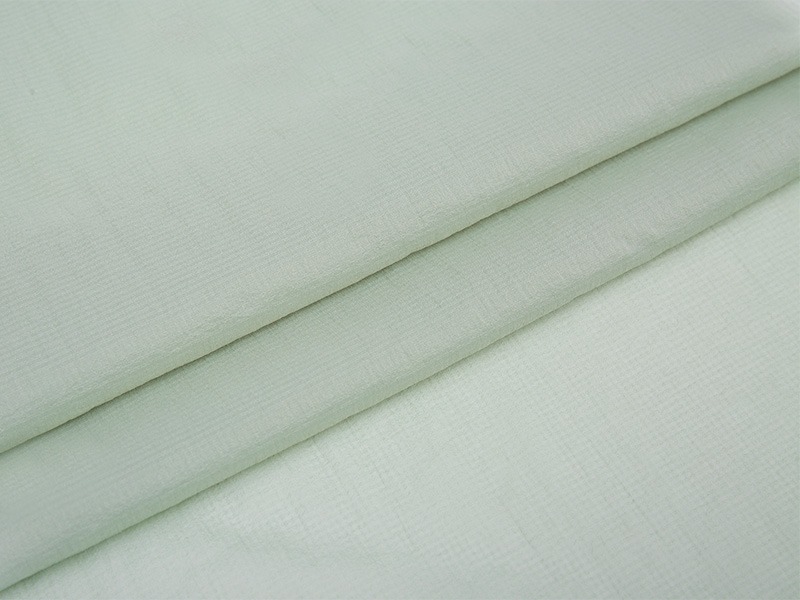
Pocketing fabric is a fundamental component that directly influences a garment's longevity, functionality, and user comfort. From the rugged reliability of twill in workwear to the sleek functionality of moisture-wicking polyester in activewear, each type serves a distinct purpose. By carefully considering factors such as end-use, outer fabric compatibility, and performance requirements, brands and manufacturers can make informed choices that elevate their final product. As a dedicated Interlining Fabrics Factory with integrated production from weaving to finishing, Hetai Textile is committed to providing the expertise and high-quality materials necessary to navigate these choices. We invite you to consider these insights for your next project and collaborate to build garments that stand the test of time and use.
References
[1] Smith, J., & Chen, L. (2022). *Advanced Material Technologies in Performance Apparel*. Textile Engineering Press. (Reference to lightweight, high-strength material development).
[2] International Textile Manufacturers Federation (ITMF). (2023). *Global Textile Standards and Testing Methods*. (General reference for durability and testing standards).

Founded in 2002 and based in Jiangsu Province, China, Hetai Textile has grown over two decades into a full-spectrum enterprise specializing in the development, production, sales, and service of interlining fabrics.
Contact Us for More Details
Don't hesitate to contact when you need us!
Contact Information
No.10, Xilin Middle Road, Haian City, Nantong City, Jiangsu Province, China
+86-182-5250-2813
+86-182-5250-2813
QR Code
Join our community and stay connected
Copyright ©
Nantong Hetai Textile Technology Co., Ltd.
Rights Reserved.
China Custom High Elasticity Interlining Manufacturers

