
 English
  中文简体
中文简体 
The Ultimate Guide to Pocketing Fabric: Types, Properties, and Applications
2026-02-04
In the intricate world of garment construction, certain components play a crucial yet understated role. Pocketing fabric is one such essential material, forming the hidden foundation of functional, durable, and comfortable pockets in clothing. This specialized fabric must balance strength, flexibility, and a soft hand feel. For manufacturers and designers, selecting the right pocketing material is a critical decision that impacts the quality, longevity, and wearability of the final product. This comprehensive guide delves into the types, key properties, and applications of pocketing fabric, providing the technical insights needed for informed material selection.
Content
- 1 What is Pocketing Fabric?
- 2 Types of Pocketing Fabric: A Detailed Comparison
- 3 Essential Properties of High-Quality Pocketing Fabric
- 4 Selecting the Right Pocketing Fabric for Your Application
- 5 Hetai Textile: Your Partner in Premium Pocketing Solutions
- 6 Frequently Asked Questions (FAQ)
- 6.1 1. What is the most durable type of pocketing fabric?
- 6.2 2. How do I prevent pocketing fabric from shrinking and causing puckering?
- 6.3 3. Can pocketing fabric be dyed to match my garment?
- 6.4 4. Is lightweight pocketing suitable for pants, or is it only for dresses?
- 6.5 5. Why is colorfastness so important in pocketing for dark denim?
- 7 References
What is Pocketing Fabric?
Pocketing fabric is a specialized textile engineered specifically for use in the interior construction of pockets. Unlike the main shell fabric of a garment, it is designed to be functional rather than decorative. Its primary purposes are to provide structure, withstand abrasion from items placed in the pocket, and offer comfort against the skin or the garment's lining. The performance requirements vary significantly depending on the garment type—compare the delicate pocket in a silk dress to the rugged one in workwear jeans. This specialization makes understanding its nuances vital for quality apparel production.
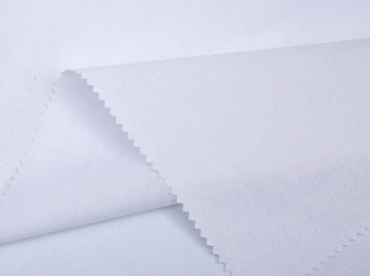
Types of Pocketing Fabric: A Detailed Comparison
The choice of pocketing fabric is dictated by the garment's end use. The main categories include Twill, Sateen, Drill, and Specialty Blends, each with distinct characteristics.
Comparative Analysis of Pocketing Fabric Types
When selecting a pocketing fabric, it's essential to weigh the properties of each type against the garment's requirements. For instance, Twill fabrics are known for their diagonal weave which offers excellent durability, making them a staple in heavy-duty applications. In contrast, Sateen weaves provide a smoother surface that is gentle against the skin, ideal for finer garments [1]. The table below provides a clear, side-by-side comparison to guide your selection process.
| Fabric Type | Common Composition | Key Characteristics | Ideal Garment Applications |
| Twill (e.g., Herringbone, Cavalry Twill) | 100% Cotton, Cotton-Polyester Blends | Diagonal weave pattern, high durability, good abrasion resistance, medium weight. | Denim jeans, chinos, workwear, uniforms. |
| Sateen | 100% Cotton, Rayon | Smooth, lustrous surface, soft hand feel, less prone to snagging. | Suits, blazers, formal trousers, high-end trousers. |
| Drill | 100% Cotton | Strong, dense weave, very durable and stiff, often mercerized for strength. | Heavy-duty workwear, cargo pants, industrial uniforms. |
| Specialty Blends (Performance) | Polyester, Nylon, Spandex blends | Moisture-wicking, stretch, lightweight, quick-drying. | Sportswear, activewear, outdoor gear. |
Essential Properties of High-Quality Pocketing Fabric
Beyond the weave, several intrinsic properties determine the performance and suitability of a pocketing fabric. These are the non-negotiable benchmarks for quality.
Durability and Tear Strength
The fabric must endure constant friction and the weight of carried items.
- Abrasion Resistance: Measured by Martindale or Wyzenbeek tests, it indicates how well the fabric resists surface wear from rubbing.
- Tear Strength: Critical for preventing small nicks or cuts from propagating and ruining the pocket. Fabrics like dense cotton drill excel here.
This is why selecting a durable pocketing fabric for workwear is non-negotiable for safety and longevity.
Breathability and Comfort
Pocketing fabric sits against the body; thus, comfort is paramount.
- Air Permeability: Allows heat and moisture to escape, preventing a clammy feel.
- Moisture Management: In activewear, fabric should wick sweat away from the skin.
- Soft Hand Feel: The texture should not irritate the skin or create bulk.
A breathable pocketing material for sportswear directly enhances the wearer's comfort and performance during activity.
Colorfastness and Stability
The pocketing should not detract from the garment's appearance.
- Wash Fastness: The dye must not bleed onto the garment lining or other clothes during laundering.
- Dimensional Stability: The fabric should not shrink or distort significantly after washing, which can cause puckering.
- Pilling Resistance: The surface should remain smooth and not form unsightly balls of fiber.
Using colorfast pocketing fabric for jeans is essential to prevent indigo dye transfer and to maintain a clean interior look.
Selecting the Right Pocketing Fabric for Your Application
Matching the fabric to the garment is both an art and a science. Here’s a practical guide for common applications.
For Formal and Tailored Clothing
The pocketing must be discreet, smooth, and contribute to the garment's drape.
- Fine cotton sateen is the traditional and preferred choice.
- It is sleek, prevents lining snagging, and adds a touch of luxury.
- For the best pocketing fabric for formal suit jackets, a medium-weight sateen strikes the perfect balance between structure and suppleness.
For Casual and Denim Wear
Here, durability is king, but comfort remains important.
- Cotton twills (like herringbone) are the industry standard for jeans.
- They are robust enough to handle keys, phones, and tools without wearing out quickly.
- The fabric should be pre-shrunk to match the denim's shrinkage rate.
For Lightweight and Delicate Garments
The pocketing must not add unnecessary weight or stiffness.
- Lightweight cupro or fine viscose blends can be excellent choices.
- They offer a silky hand feel and excellent drape.
- Opting for a lightweight pocketing fabric for dresses ensures the pocket integrates seamlessly without affecting the flow of the skirt or bodice.
For Technical and Performance Apparel
Functionality drives the selection.
- Look for synthetic blends with moisture-wicking and quick-drying properties.
- Incorporated stretch (via spandex) enhances freedom of movement.
- These fabrics are engineered to perform under strenuous conditions.
Hetai Textile: Your Partner in Premium Pocketing Solutions
Selecting the right supplier is as crucial as selecting the right fabric. With over two decades of expertise, Hetai Textile has established itself as a leader in the interlining and specialty fabrics sector. Founded in 2002 in Jiangsu Province, China, Hetai is a full-spectrum enterprise dedicated to the development, production, sales, and service of high-quality textiles, including specialized pocketing fabric.
Our integrated manufacturing approach sets us apart. With in-house weaving, dyeing, and coating workshops equipped with advanced production lines, we maintain stringent control over every stage of production. Our top-tier technical team drives continuous innovation, ensuring our products not only meet but exceed industry standards for durability, comfort, and colorfastness.
We understand that one size does not fit all. Whether you are sourcing durable pocketing fabric for workwear or developing a new line requiring a breathable pocketing material for sportswear, Hetai’s strong customer focus and comprehensive quality control system allow us to adapt to your specific needs. We are committed to delivering premium products and collaborative service, working with you to bring quality and innovation to your garments.
Frequently Asked Questions (FAQ)
1. What is the most durable type of pocketing fabric?
For extreme durability, cotton drill or heavy-duty polyester-cotton twill fabrics are typically the strongest. They offer high resistance to abrasion and tearing, making them ideal for workwear and heavy-use garments.
2. How do I prevent pocketing fabric from shrinking and causing puckering?
Always use pre-shrunk (sanforized or mercerized) pocketing fabric. It is crucial to select a pocketing material with similar shrinkage characteristics to your main shell fabric to ensure they react equally to washing and drying.
3. Can pocketing fabric be dyed to match my garment?
Yes, many pocketing fabrics, especially cotton and cotton-blend varieties, can be custom-dyed. Reputable manufacturers like Hetai Textile offer dyeing services to achieve precise color matching, which is essential for maintaining a cohesive look in garments like jeans where the pocketing might be partially visible.
4. Is lightweight pocketing suitable for pants, or is it only for dresses?
Lightweight pocketing is excellent for any garment where maintaining drape and reducing bulk is a priority. For lightweight linen or silk trousers, using a lightweight pocketing fabric for dresses or similar material can significantly enhance comfort and the garment's elegant drape.
5. Why is colorfastness so important in pocketing for dark denim?
Colorfast pocketing fabric for jeans prevents the dye from the pocketing itself from bleeding onto the wearer's hands or clothing. More importantly, it ensures the pocketing does not absorb the indigo dye from the denim during washing, which would stain the pocket lining and create an unprofessional appearance.
References
[1] Gandhi, K. (Ed.). (2019). *Woven Textiles: Principles, Technologies and Applications* (2nd ed.). Woodhead Publishing. (Reference for weave structures and their fundamental properties).
[2] Fan, J., & Hunter, L. (2009). *Engineering Apparel Fabrics and Garments*. CRC Press. (Reference for fabric performance in garment construction and technical specifications).

Founded in 2002 and based in Jiangsu Province, China, Hetai Textile has grown over two decades into a full-spectrum enterprise specializing in the development, production, sales, and service of interlining fabrics.
Contact Us for More Details
Don't hesitate to contact when you need us!
Contact Information
No.10, Xilin Middle Road, Haian City, Nantong City, Jiangsu Province, China
+86-182-5250-2813
+86-182-5250-2813
QR Code
Join our community and stay connected
Copyright ©
Nantong Hetai Textile Technology Co., Ltd.
Rights Reserved.
China Custom High Elasticity Interlining Manufacturers

