
 English
  中文简体
中文简体 
The Ultimate Guide to Woven Fusible Interlining: Types, Uses, and Selection Tips
2025-12-19
Content
Understanding Woven Fusible Interlining: A Foundation for Quality Garments
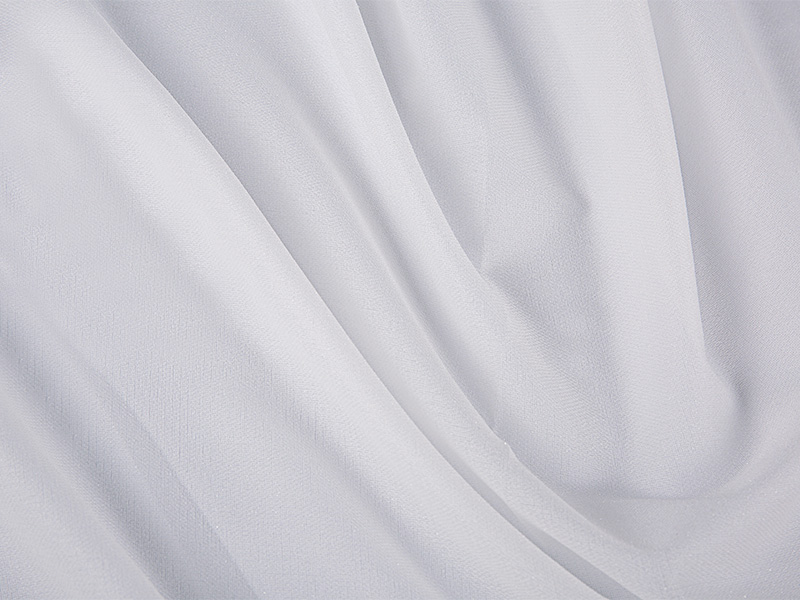
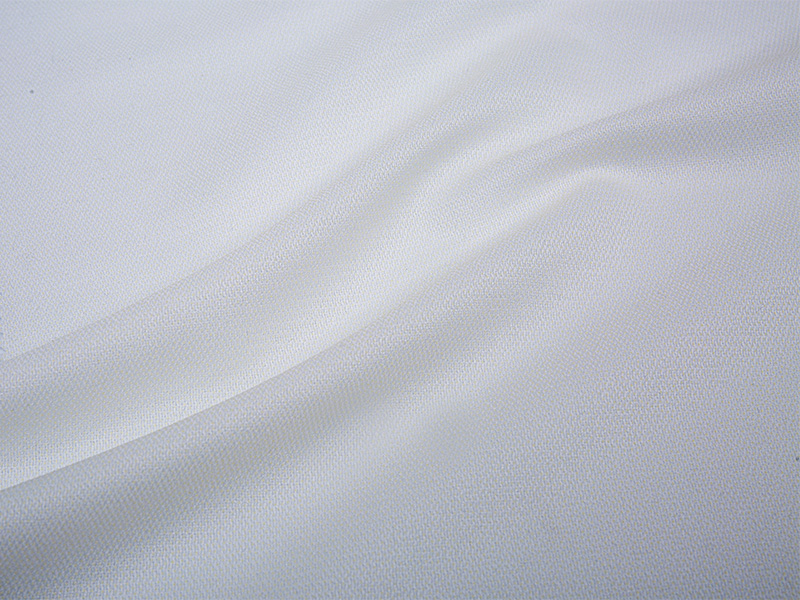
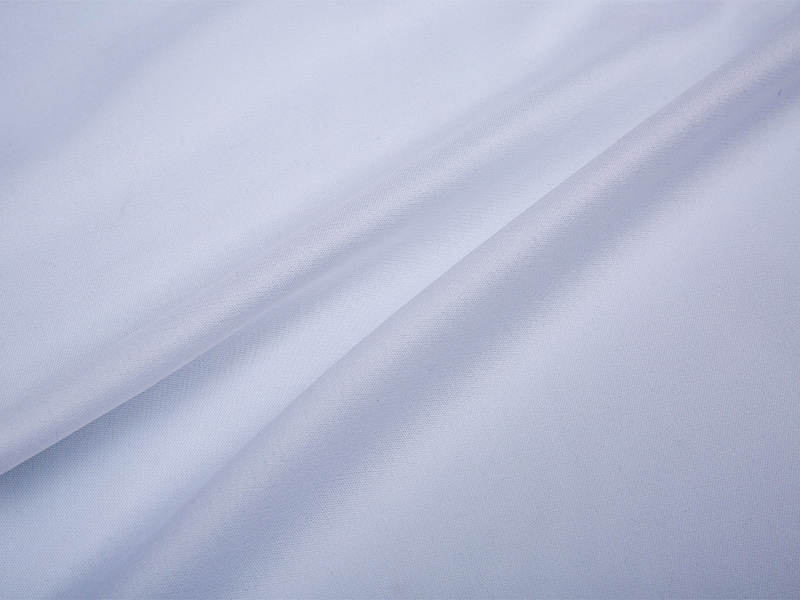
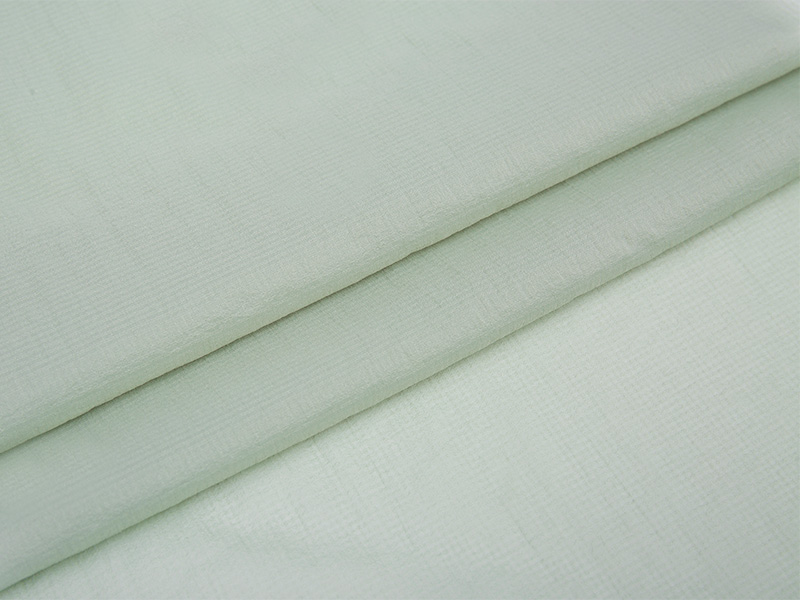
Woven fusible interlining is an indispensable component in modern apparel manufacturing and serious home sewing, serving as the hidden skeleton that provides structure, shape, and durability to garments. Unlike non-woven varieties, woven interlining is constructed from threads interlaced lengthwise (warp) and crosswise (weft), mimicking the grain of fashion fabrics. This construction grants it superior stability, drape, and strength, making it the preferred choice for mid to high-end clothing where quality and longevity are paramount. The "fusible" aspect refers to a heat-activated adhesive coating, usually consisting of polyamide or polyethylene dots or a full sheet, applied to one side. When ironed or pressed with a heat press, this adhesive melts and bonds the interlining securely to the main fabric, a process that is generally permanent and can withstand washing and dry cleaning when correctly applied. The primary function of woven fusible interlining is to add body, prevent stretching, reinforce specific areas like collars and cuffs, and improve the overall hang and silhouette of a garment. From the crisp front of a dress shirt to the tailored drape of a wool blazer, the performance of woven fusible interlining is critical. Its selection is not a one-size-fits-all process; it requires careful consideration of the base fabric's weight, fiber content, and care requirements, as well as the desired finished effect. For professionals and enthusiasts aiming to achieve a polished, professional look in their creations, mastering the use of woven fusible interlining is a fundamental skill.
How to Choose the Right Fusible Interlining for Your Project
Selecting the appropriate woven fusible interlining is a nuanced decision that can make the difference between a garment that looks homemade and one that appears professionally crafted. The process involves evaluating several key factors in conjunction with your main fashion fabric. The goal is to achieve a harmonious marriage where the interlining supports without overpowering, adds structure without stiffness, and remains compatible throughout the garment's lifecycle. A common mistake is choosing an interlining that is too heavy or too stiff for a delicate fabric, resulting in a bulky, unnatural feel. Conversely, using an interlining that is too light on a heavy fabric will fail to provide the necessary support, allowing the garment to lose its shape. The decision-making framework should be systematic, considering the hand (drape and feel), weight, color, and care instructions.
Key Selection Criteria
The following criteria should be evaluated sequentially when making your choice.
Fabric Weight and Drape Compatibility
The most crucial rule is that the weight and hand of the interlining should match or be slightly lighter than your main fabric. A lightweight silk or chiffon requires a very lightweight, soft woven interlining, often made from fine cotton or viscose, to maintain its fluid drape. A medium-weight wool or linen suiting would pair well with a medium-weight hair canvas or woven polyester interlining to provide shape and prevent bagging. For heavy coatings or upholstery, a substantial woven interlining is necessary to provide foundational support. The drape test is simple: fuse a sample swatch and hold it up to see how it falls. The fused section should move and drape consistently with the unfused portion of the fabric.
Fiber Content and Reactivity
The fiber content of both the interlining and the main fabric dictates care and reaction to heat and moisture. Common woven interlining bases include:
- Cotton: Offers a natural, breathable hand; often used with cotton, linen, and wool fabrics. It can shrink, so pre-washing or steaming is essential.
- Polyester: Provides excellent stability and shrink resistance; works well with synthetic and blended fabrics.
- Viscose/Rayon: Known for a superb, silky drape, ideal for delicate and lightweight fabrics.
- Blends (e.g., Cotton-Polyester): Combine the benefits of natural and synthetic fibers for balanced performance.
Always test for thermal and moisture sensitivity. Wool fabrics, for instance, are sensitive to high heat and steam, requiring an interlining with a low-temperature melt adhesive.
Adhesive Type and Application Method
The adhesive coating determines the fusing conditions and final bond quality. Polyamide adhesives offer a strong, dry-clean-resistant bond with good flexibility, suitable for a wide range of fabrics. Polyethylene adhesives often require a higher temperature and provide a very strong bond, commonly used in shirts and durable items. It is imperative to follow the manufacturer's instructions for temperature, pressure, and pressing time. A common point of confusion arises when comparing fusible interlining to sew-in alternatives. The choice is not merely about convenience but about the desired hand and application. For instance, best fusible interlining for wool blazers is often a tailored, medium-weight hair canvas, which provides a resilient yet malleable structure that allows the jacket to mold to the body over time, whereas a sew-in might be preferred for very heavy or heat-sensitive fabrics where fusing could cause shine or distortion.
Delving into Specific Applications and Long-Tail Queries
Beyond general selection, specific garment types and fabric challenges call for specialized interlining knowledge. Addressing these niche concerns directly is where understanding truly translates into expert results. The following sections explore common, yet specific, scenarios that garment makers encounter, providing targeted advice for achieving professional outcomes.
Addressing Common Challenges: Silk, Coats, and Washes
Certain projects are notorious for their difficulty, often due to the delicate nature of the fabric or the demanding conditions the finished garment must endure. Here we tackle three such challenges.
Working with Delicate Fabrics
A primary concern for many is finding the woven fusible interfacing for silk fabric that won't show through. Silk, being lightweight and often translucent, poses a significant challenge. The key is to select an interlining that is whisper-thin, supremely soft, and closely matched in color. Lightweight woven viscose or silk organza-based fusibles are excellent choices. The application technique is equally important: use a lower temperature, a pressing cloth, and minimal pressure to prevent the adhesive from striking through to the right side of the silk, which can cause a stiff, shiny patch. Always, without exception, conduct a test fuse on a scrap piece of your silk first.
Ensuring Durability in Outerwear
Outerwear demands interlining that can provide long-lasting structure against the elements. The quest for heavy duty woven fusible interfacing for coats and jackets leads to products with a dense weave, often from polyester or cotton-polyester blends, and a robust adhesive system. This type of interlining is designed to add substantial body, wind resistance, and shape retention to wool coats, duffel coats, and structured jackets. It must withstand repeated wear and cleaning. The comparison here is often between a heavy fusible and traditional sew-in canvas. While sew-ins offer a classic, breathable structure, modern heavy-duty fusibles provide remarkable durability and consistency with less labor, making them a popular choice for many contemporary coat patterns.
Creating Projects for Regular Care
For garments destined for the washing machine, such as children's wear, casual shirts, or everyday dresses, the interlining must possess exceptional bond stability. This is where washable woven fusible interlining for durable clothing becomes essential. These interlinings are engineered with adhesives (often specific polyethylenes or special polymer blends) that are designed to survive the agitation, heat, and detergent of machine washing without bubbling, peeling, or stiffening. The bond strength is tested to withstand numerous wash cycles. When comparing a standard interlining to a washable one, the key difference lies in the adhesive's chemical resistance and reactivation temperature. A washable interlining's adhesive has a higher reactivation point to prevent it from softening and debonding during a hot wash.
The Professional's Choice for Tailoring
In the realm of classic tailoring, the requirements for interlining are elevated. The pursuit of a defined, sharp, yet natural silhouette is paramount. This brings us to the niche of tailoring with woven hair canvas vs modern fusibles. Hair canvas, traditionally made from wool, horsehair, and cotton, is the gold standard for luxury jackets and coats. It is a sew-in interfacing that provides a resilient, breathable structure that "moves" with the body and improves with wear. Modern woven fusibles, however, have advanced significantly. High-quality tailored fusible canvases are now available, offering easier application and consistent results. The choice between them defines the tailoring method:
| Criteria | Traditional Woven Hair Canvas (Sew-in) | Modern Tailored Woven Fusible |
|---|---|---|
| Application | Hand-stitched or machine-stitched into place, requiring significant skill and time. | Fused with heat and pressure, offering faster and more consistent application. |
| Hand & Drape | Creates a resilient, malleable structure with a live, breathing quality that molds to the wearer. | Provides a crisp, stable structure; very high-quality versions can approach the moldability of hair canvas. |
| Skill Level | Requires advanced tailoring skills for proper pad-stitching and handling. | More accessible to intermediate sewers, provided fusing techniques are mastered. |
| Suitability | Ideal for bespoke tailoring, heavy wools, and garments where a traditional, breathable hand is desired. | Excellent for lighter-weight suitings, production tailoring, and sewers seeking a professional look with less traditional labor. |
For a sharp, professional finish on a wide variety of projects, many turn to the professional grade woven fusible interlining for crisp collars. This specific type is engineered to deliver a clean, defined edge that maintains its stiffness and shape through wear and cleaning. It is often slightly heavier and has a firmer hand than all-purpose interlinings, and is precisely calibrated for areas like shirt collars, cuffs, and plackets where a crisp, unwavering line is non-negotiable.
Technical Insights and Industry Perspective from Hetai Textile
The journey of woven fusible interlining from raw fiber to a precision textile component is a testament to modern textile engineering. As a full-spectrum enterprise, Hetai Textile, founded in 2002 and based in Jiangsu Province, China, embodies this integrated process. Specializing in the development, production, sales, and service of interlining fabrics, our operations encompass weaving, dyeing, and coating within our own facilities. This vertical integration allows for stringent control at every stage, ensuring that the final product meets exacting specifications for weight, shrinkage, adhesive activation, and hand feel. Our role as a developer means we are not just producing standard catalog items but actively working on innovations, such as high-elasticity interlinings for stretch fabrics or eco-friendly adhesive systems, to solve specific garment construction challenges. The presence of a top-tier technical team is crucial for this continuous innovation, keeping product quality at the industry's forefront. From a professional user's perspective, understanding this backend is valuable. It highlights why specifications matter—knowing the base weave density, the adhesive dot pattern and mass, and the precise shrinkage rate—enables more predictable and successful outcomes in garment production. Our strong customer focus drives us to adapt to market trends and maintain a comprehensive quality control system, ensuring that whether for a small designer or a large manufacturer, the woven fusible interlining provides reliable, premium performance. Hetai Textile looks forward to collaborating with the global community of creators to build garments with a solid foundation, contributing to a brilliant future for quality apparel.

Founded in 2002 and based in Jiangsu Province, China, Hetai Textile has grown over two decades into a full-spectrum enterprise specializing in the development, production, sales, and service of interlining fabrics.
Contact Us for More Details
Don't hesitate to contact when you need us!
Contact Information
No.10, Xilin Middle Road, Haian City, Nantong City, Jiangsu Province, China
+86-182-5250-2813
+86-182-5250-2813
QR Code
Join our community and stay connected
Copyright ©
Nantong Hetai Textile Technology Co., Ltd.
Rights Reserved.
China Custom High Elasticity Interlining Manufacturers

