
 English
  中文简体
中文简体 
Interfacing Fabric & Fusible Interlining: Complete Guide to Adhesive Interlining Applications
2026-04-09
Content
- 1 What Is Interfacing Fabric
- 2 Fusible Interlining and Adhesive Interlining Fabric Technology
- 3 Interfacing Fabric Construction Types
- 4 Weight Selection and Application Matching
- 5 Application Techniques and Equipment
- 6 Specialized Interlining Applications
- 7 Care and Maintenance Considerations
- 8 Sustainability and Innovation Trends
What Is Interfacing Fabric
Interfacing fabric is a supportive textile layer applied to specific areas of garments and accessories to provide structure, shape retention, and reinforcement without adding significant bulk. This hidden component determines the crispness of collars, the stability of waistbands, and the professional drape of tailored garments. Unlike lining fabrics that cover entire interior surfaces, interfacing targets stress points and shaping zones requiring additional body.
The global interfacing fabric market exceeds 2.8 billion meters annually, with woven interfacings representing 45% of volume, non-woven interfacings 40%, and knitted interfacings 15%. Modern interfacing technology has evolved from heavy canvas and haircloth traditional foundations to lightweight synthetic options providing equivalent structure at 70% reduced weight. This evolution enables structured garments in lightweight fashion fabrics previously incompatible with traditional tailoring methods.
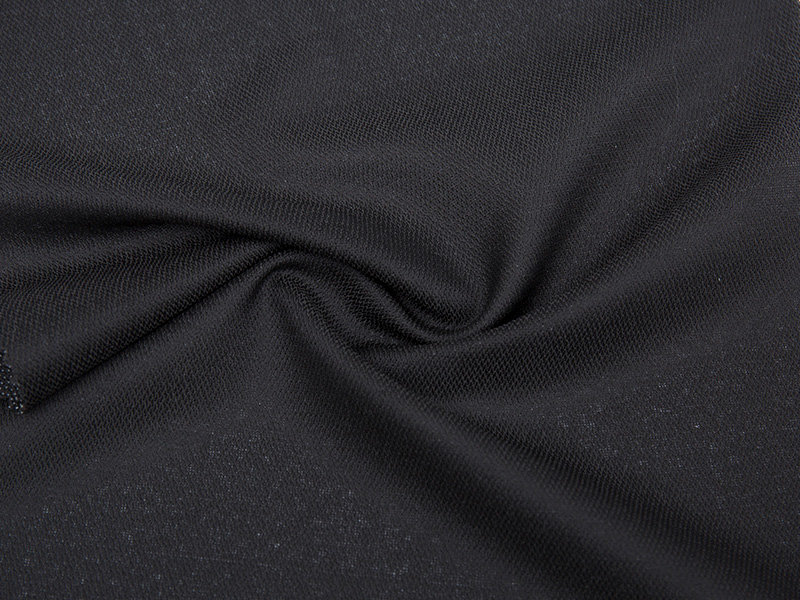
Fusible Interlining and Adhesive Interlining Fabric Technology
Fusible interlining, also designated as adhesive interlining fabric, revolutionized garment construction by eliminating hand-sewn attachment methods. These materials incorporate thermoplastic adhesive coatings on one or both surfaces that activate under heat and pressure, creating permanent bonds with fashion fabrics.
| Adhesive Type | Activation Temperature | Bond Characteristics | Primary Applications |
|---|---|---|---|
| Polyamide (PA) | 120-140°C | Soft, dry-clean resistant | Silk, wool, delicate fabrics |
| Polyethylene (PE) | 110-130°C | Firm, wash-resistant | Cotton, casual wear |
| Polyester (PES) | 130-150°C | Versatile, durable | Blended fabrics, outerwear |
| Polypropylene (PP) | 100-120°C | Low-temp bonding | Heat-sensitive synthetics |
| Bi-component | 125-145°C | Dual-layer performance | High-end tailoring |
Adhesive Application Methods
Adhesive coatings apply to interlining base fabrics through scatter coating, dot coating, or paste coating processes. Scatter coating distributes powdered adhesive randomly, suitable for non-woven interfacings requiring moderate bond strength. Dot coating creates regular patterns of adhesive dots ranging from 0.3mm to 1.5mm diameter, with 40-80 dots per square centimeter providing controlled bond points that preserve fabric hand and drape. Paste coating applies continuous films for maximum bond strength in heavy-duty applications.
Interfacing Fabric Construction Types
Base fabric construction determines interfacing behavior independent of adhesive properties, with three primary categories serving distinct garment applications.
Woven Interfacings
Woven interfacing fabrics mirror standard textile construction with warp and weft yarns creating stable, non-stretch support except on bias. Cotton, polyester, and blends provide crisp structure for tailored collars, cuffs, and facings. Thread counts range from 60x60 to 120x120 per square inch, with higher counts offering finer hand for lightweight fashion fabrics. Woven interfacings maintain shape through repeated cleaning cycles, making them preferred for quality menswear and formal garments.
Non-Woven Interfacings
Non-woven interfacing fabrics consist of fibers bonded mechanically, thermally, or chemically without yarn formation. These materials offer economical, versatile support with isotropic strength eliminating grainline concerns. Weight classifications range from lightweight 20 gsm suitable for blouses and dresses to heavyweight 80+ gsm for bags and crafts. Spunbond polyester non-wovens dominate the market due to dimensional stability and compatibility with most fashion fabrics. Limitations include potential fiber migration through lightweight shell fabrics and reduced durability compared to woven alternatives.
Knitted Interfacings
Weft-insertion warp knits provide stretch interfacing accommodating knitted and stretch-woven fashion fabrics. These constructions insert weft yarns into warp-knitted chains creating two-way or four-way elasticity matching garment stretch requirements. Tricot knits offer lengthwise stability with crosswise give, while raschel knits provide balanced stretch. Knitted interfacings prove essential for sportswear, swimwear, and active garment construction where rigid interfacing would restrict movement.
Weight Selection and Application Matching
Proper interfacing weight selection ensures optimal garment performance without compromising drape or causing show-through.
| Interfacing Weight | Basis Weight (gsm) | Fashion Fabric Weight | Typical Applications |
|---|---|---|---|
| Ultra-lightweight | 15-25 | Under 80 gsm | Chiffon, organza, voile |
| Lightweight | 25-40 | 80-140 gsm | Blouses, dresses, quilting |
| Medium weight | 40-60 | 140-220 gsm | Shirts, skirts, light jackets |
| Medium-heavy | 60-80 | 220-300 gsm | Trousers, suits, coats |
| Heavyweight | 80-120 | Over 300 gsm | Tailoring, bags, crafts |
Garment-Specific Selection Criteria
Collar construction typically requires medium to medium-heavy interfacing maintaining crisp roll lines and preventing collapse. Cuffs utilize similar weights for structure. Waistbands in trousers and skirts demand medium-heavy to heavyweight interfacing preventing stretching and rolling. Buttonholes and zipper openings benefit from lightweight to medium interfacing preventing distortion without bulk. Full front interfacing in tailored jackets uses canvas or hair canvas rather than fusible for traditional construction accommodating garment movement.
Application Techniques and Equipment
Successful fusible interlining application requires precise control of temperature, pressure, and dwell time to achieve durable bonds without fabric damage.
Iron Application Methods
Domestic irons apply fusible interfacing for small projects and repairs. Temperature settings match adhesive activation ranges, typically wool or cotton settings for polyamide and polyester adhesives. Application involves 10-15 seconds of firm pressure without steam, using pressing cloths to prevent surface shine on delicate fashion fabrics. Sectional pressing of large areas prevents cooling between applications ensuring consistent bond strength.
Industrial Fusing Equipment
Commercial garment production utilizes flat-bed or continuous fusing presses delivering precise temperature control within 2°C and uniform pressure of 2-6 bar. Conveyorized systems process 5-15 meters per minute, with dwell times of 12-20 seconds ensuring complete adhesive activation. These machines feature cooling zones setting adhesives before handling, preventing bond disruption. Production facilities maintain bonding parameter records for each interfacing-fabric combination ensuring consistent quality across batches.
Troubleshooting Bond Failures
Insufficient bonding manifests as bubbling, peeling, or shifting during garment construction. Causes include inadequate temperature, insufficient pressure, or inadequate dwell time. Overheating produces adhesive strike-through visible as hard spots on fabric surfaces or adhesive bleeding through lightweight shells. Moisture from steam or damp storage prevents proper adhesion. Testing bond strength on fabric scraps before production application prevents costly garment damage.
Specialized Interlining Applications
Beyond standard garment construction, adhesive interlining fabric serves specialized functions in technical textiles and accessory manufacturing.
Embroidery Stabilization
Tear-away and cut-away non-woven interfacings provide temporary stabilization for machine embroidery preventing fabric puckering and distortion. These materials range from 30 gsm to 80 gsm depending on stitch density and fabric weight. Water-soluble interfacings support freestanding lace and delicate fabrics, dissolving completely after embroidery completion. Heat-away variants suit fabrics incompatible with water exposure.
Bag and Accessory Construction
Handbag manufacturing utilizes heavyweight fusible interfacing providing body to fashion fabrics lacking inherent structure. Foam interlinings combining fusible adhesive with 2-5mm polyethylene foam create padded straps and structured bases. Craft applications including fabric bowls, boxes, and sculptural items exploit heavyweight interfacing moldability when damp and heat-shaped.
Technical and Protective Garments
Flame-resistant interfacing fabrics utilizing inherent FR fibers or treated cottons maintain protective properties in workwear and military applications. Chemical-resistant interlinings prevent permeation in hazmat suits. Waterproof breathable interfacings combine structure with moisture management in outdoor and athletic apparel.
Care and Maintenance Considerations
Interfaced garments require care protocols preserving bond integrity and preventing delamination or distortion.
Washing and Dry Cleaning
Polyamide adhesive interlinings withstand dry cleaning solvents, while polyethylene adhesives perform better in aqueous washing. Temperatures exceeding 60°C risk adhesive reactivation and bond failure. Tumble drying on high heat similarly compromises fusible bonds. Garments should be removed from dryers while damp and air-dried flat or hung to prevent heat damage. Steam pressing after washing can reactivate slightly degraded bonds if temperatures remain within safe ranges.
Longevity Factors
Quality fusible interlining maintains bond strength through 50+ wash cycles when properly applied and cared for. Factors reducing lifespan include aggressive washing agitation, high-temperature drying, and exposure to fabric softeners coating adhesive surfaces. Woven sew-in interfacings avoid adhesive degradation entirely but require labor-intensive application and may show stitching lines on lightweight fabrics.
Sustainability and Innovation Trends
Environmental concerns drive interfacing fabric innovation toward recycled content, biodegradable options, and reduced chemical processing.
Recycled and Bio-Based Materials
Post-consumer recycled polyester non-woven interfacings achieve performance parity with virgin materials at 30-40% reduced carbon footprint. Organic cotton woven interfacings serve sustainable fashion markets requiring natural fiber content. Bio-based adhesives derived from plant starches and sugars enter commercial development, offering compostable alternatives to petroleum-based thermoplastics.
Performance Enhancements
Micro-perforated fusible interlinings improve breathability in activewear applications. Stretch-and-recovery interfacings accommodate high-performance athletic fabrics requiring support without movement restriction. Ultra-thin high-strength developments provide equivalent structure at 50% reduced weight, enabling new possibilities in lightweight tailored garments.

Founded in 2002 and based in Jiangsu Province, China, Hetai Textile has grown over two decades into a full-spectrum enterprise specializing in the development, production, sales, and service of interlining fabrics.
Contact Us for More Details
Don't hesitate to contact when you need us!
Contact Information
No.10, Xilin Middle Road, Haian City, Nantong City, Jiangsu Province, China
+86-182-5250-2813
+86-182-5250-2813
QR Code
Join our community and stay connected
Copyright ©
Nantong Hetai Textile Technology Co., Ltd.
Rights Reserved.
China Custom High Elasticity Interlining Manufacturers

